
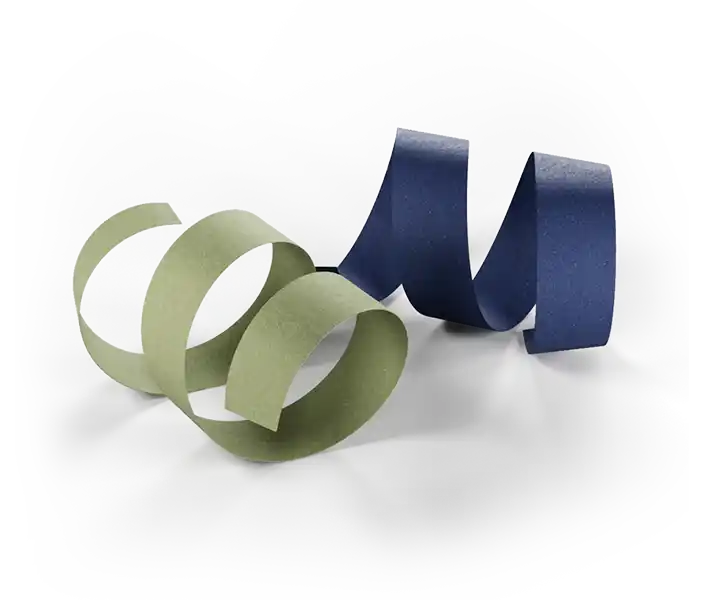
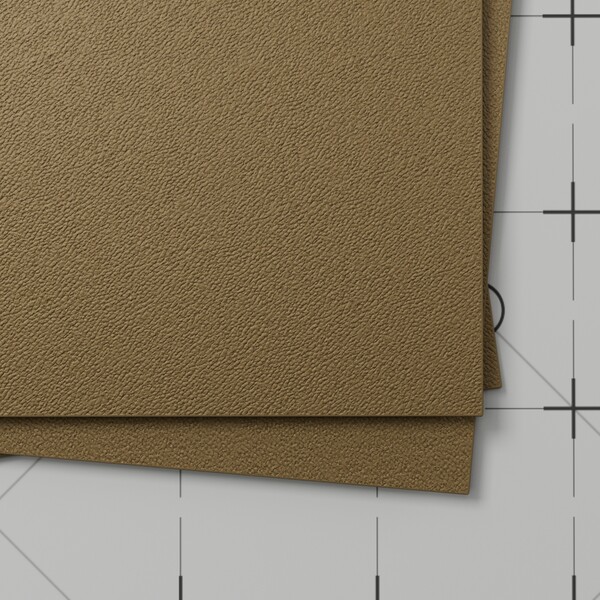
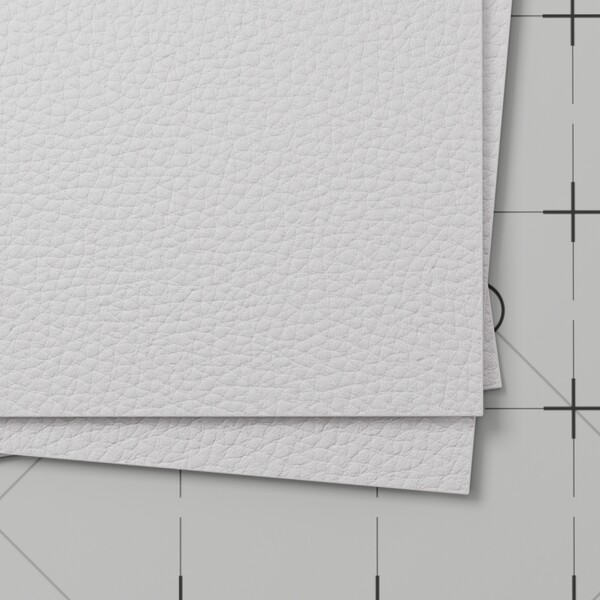
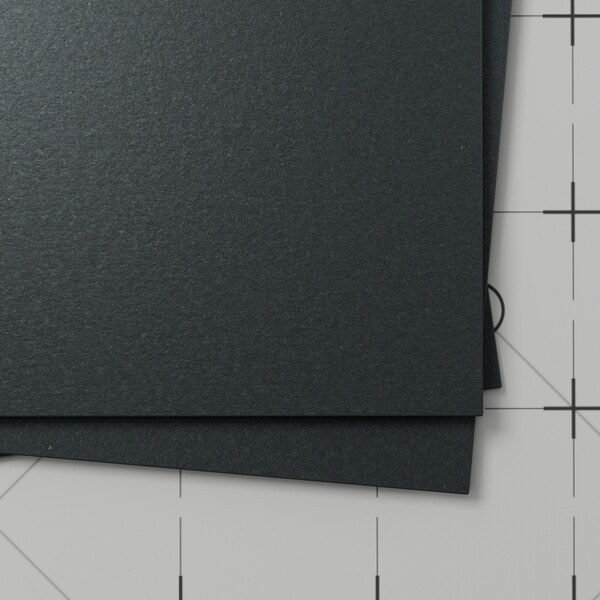
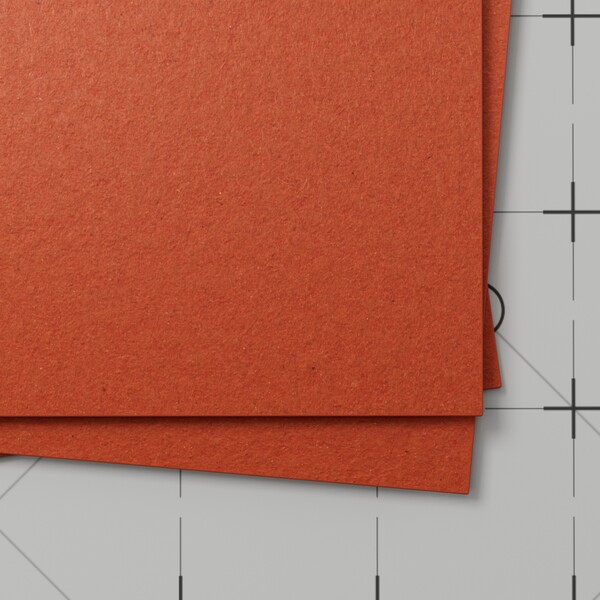
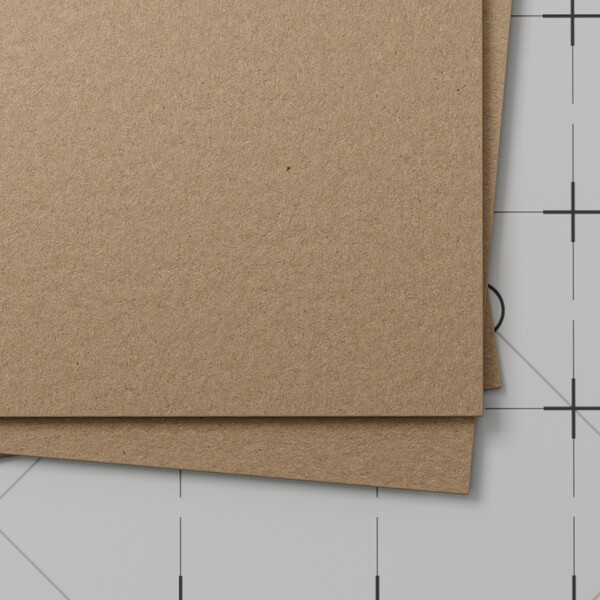
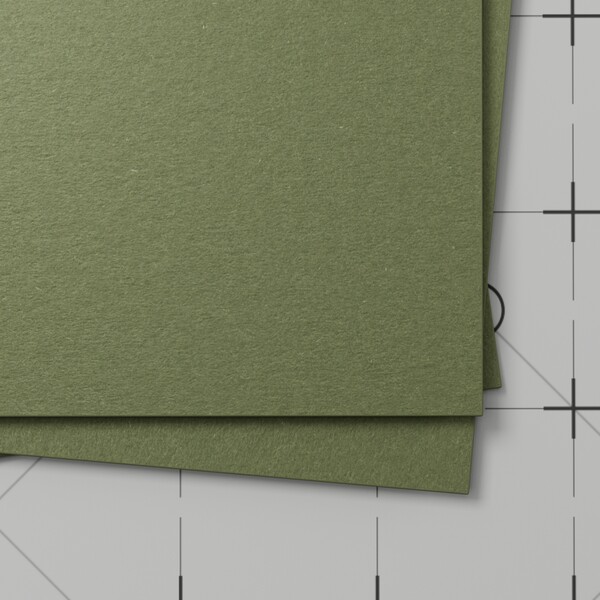
Real paper scans capturing fine grain, fiber structure, and delicate surface variation. Suitable for packaging, labels, stationery, and close-up renders where subtle texture makes the difference.
Buy Now
used for art prints, illustrations, premium print
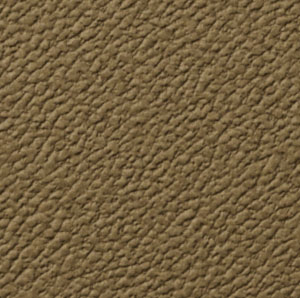
used for luxury packaging, covers, presentation
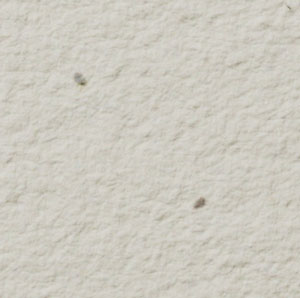
used for stationery, invitations, fine print
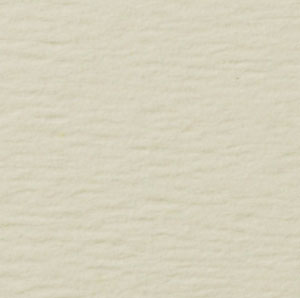
used for invitations, business cards, premium stationery
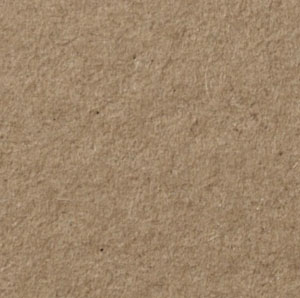
used for eco packaging, branding, stationery

With each collection you receive:
Yes, all materials are tileable. Most renderers like Redshift, Octane, Eevee, and Arnold handle non-square textures without issues. However, if you're planning to use them in Unreal Engine, be aware that they may not behave as expected, and we do not recommend them for Unreal projects.
You can use the materials directly in Blender or Cinema 4D through the provided Asset Browser libraries. If you work in other 3D software or rendering engines, you can use the included PBR texture sets to build your own materials.
The materials follow the Disney Principled BSDF model and are fitted to match real-world fabric scans as closely as possible. Even though fabrics are non-metallic, optimizing the metalness map, along with other PBR parameters, gives the fitting algorithm more flexibility, resulting in a better match to the captured appearance.
Constraining metalness to zero would increase fitting errors, so we allow small variations to achieve a more accurate final render. It's important to treat all maps as a unified system: the true material appearance comes from using the full set together.