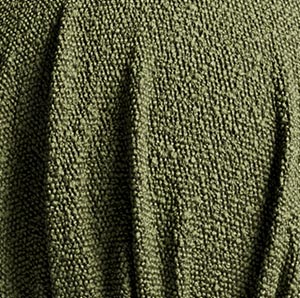
Designer chair using two materials from the collection. Jean Blue Yellow and Corduroy Green.

67 STUNNING

FABRIC MATERIALS

REAL WORLD FABRICS,
CAPTURED FOR FLAWLESS RENDERING
Close-up of Boucle Paris Navy material applied on shader ball
Boucle Paris Navy
Wrinkled synthetic leather crocs navy material. Folds and wrinkle detail
Synthetic Leather Croco Navy
Knitted Palermo cloth material applied on shader ball
Knitted Palermo
Synthetic leather burgundy cloth material applied on shader ball
Synthetic Leather Burgundy
Close-up of Gobi Jacquard Mustard cloth material applied on shader ball
Gobi Jacquard Mustard
Wrinkled synthetic leather black material. Folds and wrinkle detail
Synthetic Leather Black
Complete Collection

BEYOND

PROCEDURAL
TEXTURES

Each fabric material perfectly captures the weave, fibers, and surface variation that give textiles their distinctive character. The collection includes a growing range of fabric types, from structured and durable fabrics for couches to soft and transparent fabrics for clothing.

Buy Now
Close-up of the basketweave standard brown material with soft vertical folds
Basketweave

used for upholstery, cushions, covers

Close-up of the batiste coral material with soft vertical folds
Batiste

used for clothing, lingerie, bedding

Close-up of the boucle khaki material with soft vertical folds
Boucle

used for cardigans, overcoats, furniture

Close-up of the canvas orange material with soft vertical folds
Canvas

used for bags, clothing, furniture

Close-up of the chenille Cypress material with soft vertical folds
Chenille

used for couches, throws, scarves

Close-up of the corduroy mustard material with soft vertical folds
Corduroy

used for trousers, jackets, shirts, couches

Close-up of the crepe old rose material with soft vertical folds
Crepe

used for dresses, skirts, trousers

Close-up of the Gobi Jacquard brown and white material with soft vertical folds
Gobi Jacquard

used for upholstery, throw pillows, cushions

Close-up of the jean classic blue material with soft vertical folds
Jean

used for trousers, jackets, bags

Close-up of the jersey polka dots orange material with soft vertical folds
Jersey

used for blouses, dresses, leggings, pyjamas

Close-up of the Jersey Foil material with soft vertical folds
Jersey Foil

used for evening dresses, dance costumes, stage outfits

Close-up of the knitted palermo material with soft vertical folds
Knitted

used for blouses, dresses, jackets

Close-up of the pique white braided material with soft vertical folds
Pique

used for blankets, throws, towels

Close-up of the synthetic leather burgundy material with soft vertical folds
Synthetic Leather

used for skirts, dresses, shirts, couches, chairs

Close-up of the tartan brown and navy material with soft vertical folds
Tartan

used for skirts, dresses, jackets, scarves

Close-up of the wool hounds tooth black material with soft vertical folds
Wool

used for coats, suits, trousers, blouses, skirts

FAQ

What is included in each product?

With each collection you receive:

  1. A ready-to-use Asset Browser library for Cinema 4D.
  2. A ready-to-use Asset Browser library for Blender.
  3. Organized texture folders (PBR maps) for use with any renderer or application of your choice.

Are the materials tileable?

Yes, all materials are tileable. Most renderers like Redshift, Octane, Eevee, and Arnold handle non-square textures without issues. However, if you're planning to use them in Unreal Engine, be aware that they may not behave as expected, and we do not recommend them for Unreal projects.

How can I use these?

You can use the materials directly in Blender or Cinema 4D through the provided Asset Browser libraries. If you work in other 3D software or rendering engines, you can use the included PBR texture sets to build your own materials.

Why do the materials include metalness?

The materials follow the Disney Principled BSDF model and are fitted to match real-world fabric scans as closely as possible. Even though fabrics are non-metallic, optimizing the metalness map, along with other PBR parameters, gives the fitting algorithm more flexibility, resulting in a better match to the captured appearance.

Constraining metalness to zero would increase fitting errors, so we allow small variations to achieve a more accurate final render. It's important to treat all maps as a unified system: the true material appearance comes from using the full set together.